
Have you ever felt exhausted… but can’t quite explain why?
In my practice, I regularly meet people who arrive feeling drained, battling headaches, tension, or poor sleep. They want answers — “Why do I feel like this?”
One of the things I ask (and yes, people sometimes look surprised) is:
👉 “Tell me about your day… your breaks… your lunch?”
It may seem like a strange place to start — until we think about it like a car.
If you accidentally filled a petrol car with diesel… it would break down. (I’ve done this — the car refused to move! 🚗💥)
We’re not so different.
When we rush, skip meals, stay late… our system slowly grinds to a halt too. Often, without us noticing until the warning lights flash.
🌟 But here’s the catch…
Many people aren’t skipping breaks because they want to. They’re doing it because deep down they feel they should.
✨ To please
✨ To be the reliable one
✨ To feel valued
✨ To avoid letting anyone down
It’s a way of protecting connection — a hidden attachment behaviour.
But it comes at a cost.
Let’s take just one example 👇
📌 Not taking a 30-minute lunch break each day
(UK law: entitled to a minimum 20-minute break when working 6+ hours — paid/unpaid depends on your contract)
If you work ~37.5 hours a week over ~46 working weeks a year and skip 30 minutes each day…
➡️ That’s around 115 hours of free labour a year
➡️ Roughly 3 weeks of unpaid work
➡️ Over a working life, that adds up to about 2 years of unpaid time ⏱️
🫣 Two. Whole. Years.
Given away… without even realising it.
And that’s only one hidden cost of people-pleasing.
⚠️ Others include:
📌 Energy disappears but demands keep coming
📌 Home life suffers — nothing left in the tank
📌 Anxiety and overthinking creep in
📌 Self-worth becomes tied to being helpful
📌 Burnout edges closer every time your needs come last
This is what happens when our attachment drive (the desire to feel accepted and secure) overrides our self-worth (the belief that our needs matter too).
So maybe pause and ask yourself:
✨ Am I skipping breaks to maintain connection?
✨ What might change if I honoured my time the way I honour others’?
✨ How would it feel to leave on time today — without apology?
You deserve more than the scraps of your energy.
You deserve the whole seat at the table.
Your journey, your worth, your way. 💛
💬 I’d love to know — what’s one small boundary you could set this week to protect your well-being at work?
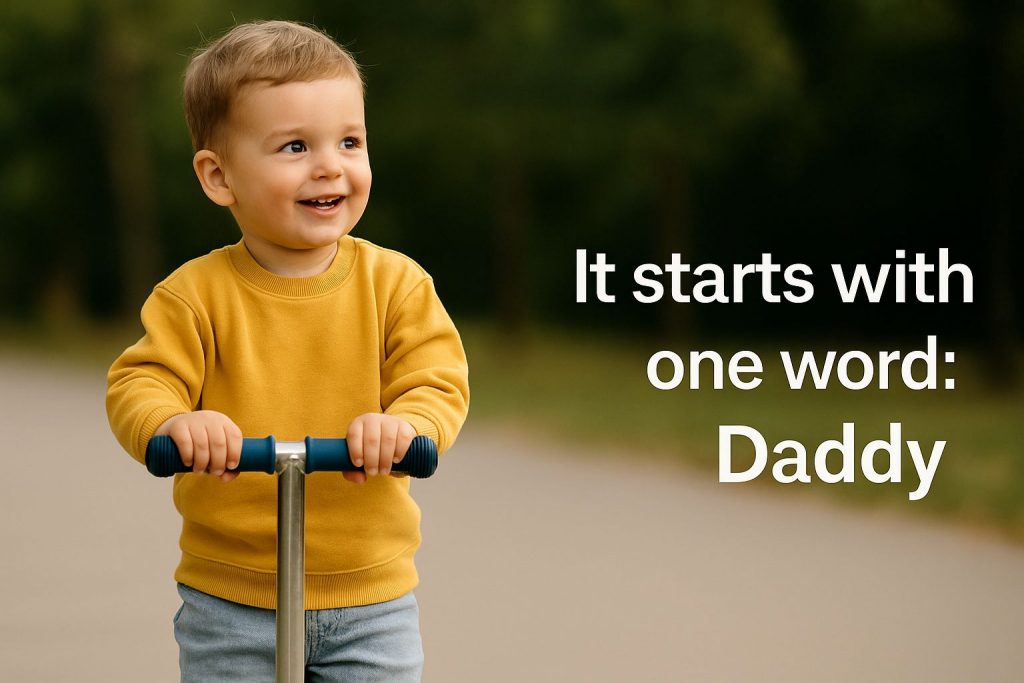
🔊 “𝗗𝗮𝗱𝗱𝘆!” — 𝗧𝗵𝗲 𝗪𝗼𝗿𝗱 𝗧𝗵𝗮𝘁 𝗦𝘁𝗮𝗿𝘁𝘀 𝗜𝘁 𝗔𝗹𝗹
Walking through the park recently, I noticed a determined little two-year-old proudly calling out:
“Daddy! Daddy!”
They were eager to show off their scooter-riding skills — beaming with pride after mastering their balance. But their dad, distracted on his phone, didn’t notice. And in that moment, what that child really needed wasn’t praise or fanfare — it was 𝗔𝘁𝘁𝗲𝗻𝘁𝗶𝗼𝗻. 𝗥𝗲𝗰𝗼𝗴𝗻𝗶𝘁𝗶𝗼𝗻. 𝗖𝗼𝗻𝗻𝗲𝗰𝘁𝗶𝗼𝗻.
That tiny word — “Daddy” — is more than just a name. It’s a 𝗰𝗮𝗹𝗹 𝗳𝗼𝗿 𝗮𝘁𝘁𝗮𝗰𝗵𝗺𝗲𝗻𝘁. For 𝗯𝗲𝗹𝗼𝗻𝗴𝗶𝗻𝗴. And it reminded me how foundational those early moments are.
When we experience 𝘀𝗲𝗰𝘂𝗿𝗲 𝗮𝘁𝘁𝗮𝗰𝗵𝗺𝗲𝗻𝘁 with our caregivers, we’re not just given love — we’re handed the 𝗯𝗹𝘂𝗲𝗽𝗿𝗶𝗻𝘁 𝗳𝗼𝗿 𝗹𝗶𝗳𝗲:
✨ the 𝗰𝗼𝗻𝗳𝗶𝗱𝗲𝗻𝗰𝗲 to explore our world
👫 the ability to make and 𝗺𝗮𝗶𝗻𝘁𝗮𝗶𝗻 𝗳𝗿𝗶𝗲𝗻𝗱𝘀𝗵𝗶𝗽𝘀
🌀 the 𝗿𝗲𝘀𝗶𝗹𝗶𝗲𝗻𝗰𝗲 to face the messiness of adolescence
🧭 the 𝘀𝗲𝗹𝗳-𝘁𝗿𝘂𝘀𝘁 to make future choices that honour who we are
💞 the strength to form 𝗵𝗲𝗮𝗹𝘁𝗵𝘆 𝗿𝗼𝗺𝗮𝗻𝘁𝗶𝗰 𝗿𝗲𝗹𝗮𝘁𝗶𝗼𝗻𝘀𝗵𝗶𝗽𝘀 — or stay single, without shame. The 𝘀𝗲𝗹𝗳-𝘄𝗼𝗿𝘁𝗵 to know your own mind!
👣 the opportunity to pass this 𝘀𝗲𝗰𝘂𝗿𝗶𝘁𝘆 on to the next generation
It all starts in the smallest ways. In 𝗯𝗲𝗶𝗻𝗴 𝘀𝗲𝗲𝗻. In hearing:
“𝗜’𝗺 𝘄𝗮𝘁𝗰𝗵𝗶𝗻𝗴 𝘆𝗼𝘂.”
“𝗜’𝗺 𝗽𝗿𝗼𝘂𝗱 𝗼𝗳 𝘆𝗼𝘂.”
“𝗬𝗼𝘂 𝗺𝗮𝘁𝘁𝗲𝗿.”
So when we reflect on 𝗮𝘁𝘁𝗮𝗰𝗵𝗺𝗲𝗻𝘁, it’s not always about grand gestures or long conversations. Sometimes it’s as simple as 𝘁𝘂𝗻𝗶𝗻𝗴 𝗶𝗻 when a little voice calls out, “Daddy!”
What early memories shaped your 𝘀𝗲𝗻𝘀𝗲 𝗼𝗳 𝗰𝗼𝗻𝗻𝗲𝗰𝘁𝗶𝗼𝗻?
𝗪𝗵𝗮𝘁 𝗱𝗶𝗱 𝘆𝗼𝘂 𝗻𝗲𝗲𝗱 𝘁𝗼 𝗵𝗲𝗮𝗿 when you were learning to ride your own “scooter” through life?

“It’s OK for you to have boundaries as long as they do not affect me!”
🧭 “𝗦𝗲𝘁𝘁𝗶𝗻𝗴 𝗯𝗼𝘂𝗻𝗱𝗮𝗿𝗶𝗲𝘀 𝗶𝘀 𝗮 𝘃𝗶𝘁𝗮𝗹 𝘀𝘁𝗲𝗽 𝘁𝗼𝘄𝗮𝗿𝗱 𝗲𝗺𝗼𝘁𝗶𝗼𝗻𝗮𝗹 𝘄𝗲𝗹𝗹-𝗯𝗲𝗶𝗻𝗴”. But if you live with 𝗹𝗼𝘄 𝘀𝗲𝗹𝗳-𝘄𝗼𝗿𝘁𝗵 or have experienced 𝗮𝗻𝘅𝗶𝗼𝘂𝘀 𝗼𝗿 𝗶𝗻𝘀𝗲𝗰𝘂𝗿𝗲 𝗮𝘁𝘁𝗮𝗰𝗵𝗺𝗲𝗻𝘁𝘀 in relationships, I suspect you might find this incredibly difficult. You may feel torn – caught between wanting to honour your own needs and the fear of upsetting others or damaging your relationships. You might know deep down what you want to say, but still find yourself saying yes when you mean no. You may push aside your own needs, just to keep the peace or avoid that uncomfortable look, tone, or silence from someone close to you. Also, to avoid the inevitable, uncomfortable feelings within you of guilt, etc. These feelings are normal because you are changing your way of relating to others. You’re not alone in this. Many people I work with say they’ve been on the receiving end of something that sounds like this—even if it’s never said aloud:”𝗜 𝘄𝗮𝗻𝘁 𝘆𝗼𝘂 𝘁𝗼 𝗵𝗮𝘃𝗲 𝗯𝗼𝘂𝗻𝗱𝗮𝗿𝗶𝗲𝘀… 𝗮𝘀 𝗹𝗼𝗻𝗴 𝗮𝘀 𝘁𝗵𝗲𝘆 𝗱𝗼𝗻’𝘁 𝗮𝗳𝗳𝗲𝗰𝘁 𝗺𝗲.”💥 And that can leave you in an impossible position—where it feels like you’re only allowed to take care of yourself if it doesn’t inconvenience anyone else.But what’s the cost to you when your needs are constantly side-lined?
🧠 𝗧𝗵𝗲 𝗘𝗺𝗼𝘁𝗶𝗼𝗻𝗮𝗹 𝗧𝗼𝗹𝗹 𝗼𝗳 𝗪𝗲𝗮𝗸 𝗕𝗼𝘂𝗻𝗱𝗮𝗿𝗶𝗲𝘀
If you’ve been ignoring your own limits for a long time, you may already be feeling some of the effects:
😤 𝗥𝗲𝘀𝗲𝗻𝘁𝗺𝗲𝗻𝘁 𝗮𝗻𝗱/𝗼𝗿 𝗙𝗿𝘂𝘀𝘁𝗿𝗮𝘁𝗶𝗼𝗻 – You might notice yourself snapping, feeling irritated, or quietly holding back anger, even in relationships that matter to you.
🧯 𝗕𝘂𝗿𝗻𝗼𝘂𝘁 – You could be running on empty—emotionally, mentally, or physically—because you’re stretched too thin.
🩺 𝗣𝗵𝘆𝘀𝗶𝗰𝗮𝗹 𝗛𝗲𝗮𝗹𝘁𝗵 𝗜𝘀𝘀𝘂𝗲𝘀 – You might be feeling run down or unwell more often than you’d like. Chronic stress from always putting others first has been linked to things like anxiety, depression, heart issues, and poor immune function (Shields et al., 2017; Juster et al., 2010).
🧩 𝗪𝗵𝘆 𝗜𝘁 𝗙𝗲𝗲𝗹𝘀 𝗦𝗼 𝗛𝗮𝗿𝗱If your early experiences taught you that love, care, or approval only came when you were easy going, helpful, or didn’t make a fuss, then it makes sense that setting boundaries now feels uncomfortable—even risky. You may worry that saying “no” will lead to rejection. Or that people will see you as difficult, selfish, or unkind. And so you keep accommodating, even when it leaves you feeling small or resentful.
⚠️ But 𝗵𝗲𝗿𝗲’𝘀 𝘁𝗵𝗲 𝗰𝗮𝘁𝗰𝗵: when you’re constantly keeping the peace for others, it’s you who ends up paying the price. You may feel emotionally drained, invisible, or like you’re always the one giving while others take.
💡 Think of it like this—if you had a car and never filled the tank with fuel, you know what would happen: it would slow down, stutter, and eventually grind to a stop. You’re no different. You need space to refuel—emotionally and physically.
🛠️ 𝗛𝗼𝘄 𝗬𝗼𝘂 𝗖𝗮𝗻 𝗦𝘁𝗮𝗿𝘁 𝗦𝗲𝘁𝘁𝗶𝗻𝗴 𝗛𝗲𝗮𝗹𝘁𝗵𝗶𝗲𝗿 𝗕𝗼𝘂𝗻𝗱𝗮𝗿𝗶𝗲𝘀 This isn’t about becoming rigid or unkind. It’s about starting to value your needs as much as you’ve always valued everyone else’s.
1. 🎯 𝗧𝘂𝗻𝗲 𝗶𝗻 𝘁𝗼 𝗛𝗼𝘄 𝗬𝗼𝘂 𝗙𝗲𝗲𝗹 If you’re feeling resentful, uncomfortable, or overstretched, that’s often a sign your boundaries are being crossed.
2. 🗣️ 𝗦𝘁𝗮𝗿𝘁 𝗦𝗺𝗮𝗹𝗹 𝗮𝗻𝗱 𝗦𝗽𝗲𝗮𝗸 𝗖𝗹𝗲𝗮𝗿𝗹𝘆 Try saying things like: “I need a bit of time to think before I decide ”OR“ Let me come back to you once I’ve had a chance to reflect.”
3. 💪 𝗘𝘅𝗽𝗲𝗰𝘁 𝗦𝗼𝗺𝗲 𝗗𝗶𝘀𝗰𝗼𝗺𝗳𝗼𝗿𝘁 You may feel guilty, or worry that someone will be upset. That’s normal when you’re learning something new.Think of it like breaking in a new pair of shoes—they might feel uncomfortable at first, but soon you realise how well they fit and how confidently you can walk in them.
4. 🤝 𝗚𝗲𝘁 𝗦𝘂𝗽𝗽𝗼𝗿𝘁 You don’t have to figure this out alone. Therapy can offer a supportive space where you can unpack these patterns and begin to practise new ways of relating—without guilt or shame.
🌱 𝗟𝗲𝘁’𝘀 𝗧𝗮𝗸𝗲 𝘁𝗵𝗲 𝗙𝗶𝗿𝘀𝘁 𝗦𝘁𝗲𝗽 𝗧𝗼𝗴𝗲𝘁𝗵𝗲𝗿 💬 If anything in this blog has struck a chord for you, and you’d like a safe space to explore it further, I offer a 𝗙𝗥𝗘𝗘 𝟮𝟬-𝗺𝗶𝗻𝘂𝘁𝗲 𝗭𝗼𝗼𝗺 𝗰𝗼𝗻𝘀𝘂𝗹𝘁𝗮𝘁𝗶𝗼𝗻. There’s no pressure—just a conversation to help you decide what feels right for you.Ongoing sessions can be held either in person or online via Zoom, depending on what suits you best.

From Chair Shopping to Community Spirit: A Lesson on Connection, Belonging and Self-Worth 🚆💬
For weeks, I’d been wondering whether my office chair was contributing to my back pain. So over the weekend, I set off on an expedition — a “work trip” of sorts — in search of the chair that would finally sort it.
🎯 𝗗𝗲𝘀𝘁𝗶𝗻𝗮𝘁𝗶𝗼𝗻: 𝗝𝗼𝗵𝗻 𝗟𝗲𝘄𝗶𝘀, 𝗟𝗲𝗲𝗱𝘀.
It’s the nearest store where I could actually try the chairs, instead of ordering them online and having to send them back (again!). Don’t get me started on that one…
☀️ The sun was shining. People seemed relaxed – even if a little drained by the heat. But it wasn’t the chair (I’ve still not decided!) that stayed with me…
It was the journey. Or more specifically, 𝘁𝗵𝗲 𝗽𝗲𝗼𝗽𝗹𝗲 𝗜 𝗺𝗲𝘁 on it.
🛤️ There’s something about 𝘁𝗿𝗮𝗶𝗻 𝗷𝗼𝘂𝗿𝗻𝗲𝘆𝘀 𝘁𝗵𝗮𝘁 𝗶𝗻𝘃𝗶𝘁𝗲𝘀 𝗿𝗲𝗳𝗹𝗲𝗰𝘁𝗶𝗼𝗻. I usually spend the time watching the countryside roll by — the calming hills and dales of #𝗟𝗮𝗻𝗰𝗮𝘀𝗵𝗶𝗿𝗲 and #𝗬𝗼𝗿𝗸𝘀𝗵𝗶𝗿𝗲 in my case. But this time, I ended up deep in conversation with a few fellow travellers.
👩 One was a lady who had worked in social care for most of her life — a demanding and often unseen job, where people can often feel unappreciated. Now retired, she told me how much she loves caring for her grandchildren. It was lovely to see how animated and content she was in this new chapter of her life.
👥 I also found myself chatting with three men who’d spent the day out together — a ritual they try to keep up so 𝘁𝗵𝗲𝘆 𝘀𝘁𝗮𝘆 𝗰𝗼𝗻𝗻𝗲𝗰𝘁𝗲𝗱, and I suspected, quietly supportive of one another. We spoke about all sorts, had a few laughs, and naturally, the conversation turned to football.
(𝗕𝘂𝗿𝗻𝗹𝗲𝘆 𝗙𝗖 for me – and 𝗣𝗿𝗲𝘀𝘁𝗼𝗻 𝗡𝗼𝗿𝘁𝗵 𝗘𝗻𝗱 for them. You can imagine the banter! ⚽😄)
What really struck me though, was what came next!
💬 𝗪𝗲 𝘄𝗲𝗿𝗲𝗻’𝘁 𝗷𝘂𝘀𝘁 𝘁𝗮𝗹𝗸𝗶𝗻𝗴 𝗮𝗯𝗼𝘂𝘁 𝗳𝗼𝗼𝘁𝗯𝗮𝗹𝗹. 𝗪𝗲 𝘄𝗲𝗿𝗲 𝘁𝗮𝗹𝗸𝗶𝗻𝗴 𝗮𝗯𝗼𝘂𝘁 𝗰𝗼𝗺𝗺𝘂𝗻𝗶𝘁𝘆.
We shared how much we admire the work our clubs do beyond the pitch — from 𝘀𝘂𝗽𝗽𝗼𝗿𝘁𝗶𝗻𝗴 𝗺𝗲𝗻𝘁𝗮𝗹 𝗵𝗲𝗮𝗹𝘁𝗵, 𝗳𝗼𝗼𝗱 𝗽𝗼𝘃𝗲𝗿𝘁𝘆, 𝘆𝗼𝘂𝘁𝗵 𝘃𝗶𝗼𝗹𝗲𝗻𝗰𝗲, 𝗲𝗱𝘂𝗰𝗮𝘁𝗶𝗼𝗻 𝗮𝗻𝗱 𝗲𝗺𝗽𝗹𝗼𝘆𝗮𝗯𝗶𝗹𝗶𝘁𝘆, 𝘄𝗲𝗹𝗳𝗮𝗿𝗲, 𝗮𝗻𝗱 𝗶𝗻𝗰𝗹𝘂𝘀𝗶𝗼𝗻, to name just a few. All these endeavours bring people together in meaningful ways that help to build communities.
I voiced, both personally and professionally, how conflicted I feel — that food poverty even exists in England today, but also how vital these services are. The men wholeheartedly agreed.
⚽ 𝗙𝗼𝗼𝘁𝗯𝗮𝗹𝗹 𝗰𝗹𝘂𝗯𝘀 𝗼𝗳𝘁𝗲𝗻 𝗱𝗼 𝗳𝗮𝗿 𝗺𝗼𝗿𝗲 𝘁𝗵𝗮𝗻 𝗽𝗲𝗼𝗽𝗹𝗲 𝗿𝗲𝗮𝗹𝗶𝘀𝗲.They create 𝗯𝗲𝗹𝗼𝗻𝗴𝗶𝗻𝗴. They 𝗯𝘂𝗶𝗹𝗱 𝗯𝗿𝗶𝗱𝗴𝗲𝘀. They remind people that they matter because they do!!.
𝗧𝗵𝗲𝘀𝗲 𝘁𝗵𝗿𝗲𝗲 𝗺𝗲𝗻 𝘄𝗲𝗿𝗲 𝗴𝗲𝗻𝘂𝗶𝗻𝗲𝗹𝘆 𝘄𝗮𝗿𝗺, 𝗶𝗻𝘁𝗲𝗿𝗲𝘀𝘁𝗶𝗻𝗴, 𝗮𝗻𝗱 𝗼𝗽𝗲𝗻 — and I honestly wish we’d had longer together. I just love these unexpected but welcomed connections. It was one of those moments that left a lasting impression on me.
𝗜𝗻 𝗺𝘆 𝘄𝗼𝗿𝗸, 𝗜 𝗵𝗲𝗹𝗽 𝗽𝗲𝗼𝗽𝗹𝗲 𝗿𝗲𝗰𝗼𝗻𝗻𝗲𝗰𝘁 𝘄𝗶𝘁𝗵 𝘁𝗵𝗲𝗺𝘀𝗲𝗹𝘃𝗲𝘀.
But what I was reminded of — yet again — is how much we heal through connecting with others.
Sometimes it’s through:
💬 A chat with a stranger
😊 A simple smile that says “I see you”
💛 Shared memories over a match
🌍 Or knowing there’s a place in the community where you’re always welcome
💡 𝗜𝗳 𝘆𝗼𝘂 𝘄𝗼𝗿𝗸 𝗮𝘁 — 𝗼𝗿 𝗮𝗿𝗲 𝗮 𝘀𝘂𝗽𝗽𝗼𝗿𝘁𝗲𝗿 𝗼𝗳 — 𝗮 𝗳𝗼𝗼𝘁𝗯𝗮𝗹𝗹 𝗰𝗹𝘂𝗯, 𝗲𝘀𝗽𝗲𝗰𝗶𝗮𝗹𝗹𝘆 Burnley FC in the Community Preston North End Community and Education Trust, 𝗜 𝗵𝗼𝗽𝗲 𝘁𝗵𝗶𝘀 𝗿𝗲𝗮𝗰𝗵𝗲𝘀 𝘆𝗼𝘂.
Your community work isn’t going unnoticed.
As fans, and as people, we appreciate it more than you might know.
🧡 Thank you for helping people feel seen, supported, and like they belong — because they do.
💭 What about you?
𝗪𝗵𝗲𝗻 𝗱𝗶𝗱 𝘆𝗼𝘂 𝗹𝗮𝘀𝘁 𝗳𝗲𝗲𝗹 𝘁𝗿𝘂𝗹𝘆 𝗰𝗼𝗻𝗻𝗲𝗰𝘁𝗲𝗱 — 𝗮𝗻𝗱 𝘄𝗵𝗮𝘁 𝗱𝗶𝗱 𝗶𝘁 𝗱𝗼 𝗳𝗼𝗿 𝘆𝗼𝘂𝗿 𝘀𝗲𝗻𝘀𝗲 𝗼𝗳 𝘀𝗲𝗹𝗳-𝘄𝗼𝗿𝘁𝗵?
I’d love to hear your thoughts 👇
🧭 And if you’re someone who’s not feeling that sense of connection right now — 𝗽𝗹𝗲𝗮𝘀𝗲 𝗸𝗻𝗼𝘄 𝘆𝗼𝘂’𝗿𝗲 𝗻𝗼𝘁 𝗮𝗹𝗼𝗻𝗲.
It can be hard to know where to begin, especially if self-worth has taken a knock. 𝗕𝘂𝘁 𝗰𝗼𝗻𝗻𝗲𝗰𝘁𝗶𝗼𝗻 𝗰𝗮𝗻 𝘀𝘁𝗮𝗿𝘁 𝘀𝗺𝗮𝗹𝗹 — 𝗮 𝗰𝗼𝗻𝘃𝗲𝗿𝘀𝗮𝘁𝗶𝗼𝗻, 𝗮 𝘀𝗵𝗮𝗿𝗲𝗱 𝗺𝗼𝗺𝗲𝗻𝘁, 𝗲𝘃𝗲𝗻 𝗷𝘂𝘀𝘁 𝗯𝗲𝗶𝗻𝗴 𝗵𝗲𝗮𝗿𝗱.
👣 This is the kind of work I do every day — helping people rebuild from the inside out so that connection feels safe, genuine, and possible again.

Feeling Stuck in Negative Thoughts?
Let’s Talk About Moving Forward
I’m often struck by the quiet wisdom of nature, especially when I allow myself to truly notice its lessons. Recently, during a spell of cold and snowy weather, I looked out at my garden and saw the snow had frozen the flowers in place. They were stuck—unable to move forward or back, suspended in time.
This reminded me of the clients I work with as a psychologist. Often, when they first come to see me, they too are frozen. Not physically like the flowers, but emotionally and mentally. Many aren’t even aware of it at first but the least little thing that occurs, or comment received from another, can lead to them snapping. Not physically but mentally in terms of frustration, anger or they may just go inside and isolate themselves from loved ones.
Perhaps a recent experience has left them feeling anxious, depressed, or stuck in repetitive cycles of thought—like being on a treadmill they can’t step off. They might feel exhausted, snappy with loved ones or colleagues, and disconnected from their natural way of being.
Sometimes, they attribute their distress to others:
“If only they hadn’t done X, Y, or Z, I wouldn’t feel this way.”
More often, though, they blame themselves, holding onto beliefs like:
“It’s my fault.” 😞
“I’m useless.” 😔
“I’m not good enough.” 😢
While fleeting negative thoughts are normal for most people, these clients see them as facts, keeping them frozen in place.
Now, I don’t have the power of the sun to melt the snow and free the flowers in my garden. But in therapy, I can create the conditions for growth. Many clients tell me they feel truly heard and understood—sometimes for the first time. That’s where change begins. Together, we challenge those old, outdated beliefs and nurture new, empowering ones:
“I am good enough.” 🌟
“It’s not my fault.” 💪
“I have value.” 🌿
When clients embrace these beliefs, I’ve witnessed incredible transformations. They take steps they never thought possible, like moving to a new country, applying for promotions, or setting healthy boundaries in relationships—at home, at work, or socially.
It’s an immense privilege to walk alongside my clients on this journey.
Have you ever felt frozen by recurring thoughts or past experiences? Have they kept you from moving forward and living the life you want?
Let’s start a conversation in the comments—I’d love to hear your story.
And if you’d like to explore these challenges in a more personal, confidential way, I offer a FREE 20-minute Zoom consultation on this website where yu will find the link.

Is Your Therapist the best for You?
Seeking therapy has become increasingly mainstream, but many people know little about the professionals they’re seeing. Taking the first step can feel overwhelming, especially if it’s your first time. This is entirely normal—it’s natural to want to feel heard and validated. A skilled psychologist combines professional expertise with empathy, creating a safe space where healing can begin.
Here are some key factors to consider when choosing the right therapist:
💥 Empathy and Active Listening
A good psychologist listens intently and provides thoughtful feedback. This goes beyond surface-level understanding, creating a space where you feel truly heard. Empathy is key to holding your emotions with care.
💥 Comfort Level and Connection
Therapy is a personal journey, and feeling at ease with your therapist is vital. A strong connection often develops over time, allowing you to speak freely without fear of judgment.
💥 Trust and Rapport
Trust forms the foundation of any therapeutic relationship. Consider whether you feel safe and understood during your first meeting. Building rapport takes time, but you should feel comfortable with their approach.
💥 Feeling ‘Held’ and Understood
Effective therapy involves feeling emotionally ‘held’—knowing your therapist can support you through challenging emotions while maintaining professionalism.
💥 Practical Considerations
Factors like location, session times, and affordability matter too. Many therapists offer online sessions, adding flexibility to suit your lifestyle.
💥 Qualifications and Professional Registrations
Ensure your therapist is registered with a governing body like the Health and Care Professions Council (HCPC). This guarantees they’re qualified and adhere to ethical standards. Remember, the title ‘psychologist’ isn’t protected and can be used without formal training. Always check credentials to ensure you’re in safe hands.
I’d love to hear your thoughts on this post—what resonated with you, or what you’re curious about? If you’re ready to explore therapy, I also offer a FREE 20-minute Zoom meeting to discuss your needs and see if we’re a good fit. You will find the link on this website.
#TherapyJourney
#FindYourPsychologist
#EmotionalWellbeing
#MentalHealthSupport
#SelfWorthHealing
#Depression
#Anxiety

7 ways your Self-worth can sabotage your Christmas
You’ve heard it all before during this season of giving, but here are seven ways that you can help yourself feel merry without feeling quite so pressured. Christmas shouldn’t be time of great stress when you put more demands on yourself. It is essential that you take this into consideration and try not to stretch yourself too much practically, psychologically, or emotionally during this time. So, to enable you to work towards a much less stressful Christmas here are seven tips to help you get started.
1. Avoid burnout, maintain boundaries
Often, you can be your own worst enemy at this time and set yourself impossible goals trying to be the superhero. I know you do this because you want to make sure your loved ones have a good time, but I suspect you try to do it all alone. It is important that you put boundaries in place and know what you can and cannot achieve in the time you have. Start by saying ‘no’ to things that are unrealistic and forget about being perfect and just do your best and know that ‘you are good enough’ anyway.
2. Budgeting is good for your health
It can be very tempting to overstretch yourself at Christmas. This is particularly so if you have children and want to give them a Christmas to remember. It is important though that you keep an eye on your spending and do not let it become unmanageable so that you are left in debt. It is, and will continue to be, a very challenging time for many households with demands being placed on our finances. After the festivities have ended you will not want to be faced with debt you cannot pay back or you are having, as many households are now, to choose between heating and eating. Remember, the most important gift you can give your loved ones is your time and love. However, here is a link if you are struggling financially https://helpforhouseholds.campaign.gov.uk.
3. Reduce the strain start listing
Writing down lists can be enormously helpful to alleviate the constant thoughts of what we need to do going around in our heads. Get everything out of your head and on to paper as much as possible by making lists. Write down the essential, desirable, and non-essential tasks you need to do. Another way is to get a big piece of paper and use post-it notes; this will enable you to move the tasks to different categories more easily. That way you have a visible list which is always helpful. This will help you achieve clarity and feel less overwhelmed and more relaxed. But it is important that you stick to the list.
4. Delegation is a strength
It can be particularly difficult if you’re the type of person who has always prided themselves on being able to do it all alone, but it is important to ask for help when you need it. Remember it’s your Christmas too and delegating tasks will help you manage better and be less stressed. Try reframing any self-limiting beliefs from ‘I should be able to do this’ to ‘if I ask ‘X’ to do this task it will enable them to know how to do it in the future’. Also, don’t forget it takes a lot of courage to ask for help, it is a strength not a weakness, and this way you may get more done than you thought possible.
5. Planning improves efficiency
Planning, and having a strategy, when thinking about Christmas may seem out of kilter but it will save you time and energy. So, rather than getting stressed waiting in busy supermarket, and trying to find a parking space, try ordering your shopping online. If you order your food shopping ahead you could, partially cook, freeze, and defrost them on the day. Could you also order some of your presents online or arrange for someone else to pick them up. Maybe shop for the extra special presents in person and combine them with enjoying lunch with a friend and where you do not have to cook.
6. How solitude can improve your well-being
Being alone at Christmas does not necessarily mean you will feel alone and isolated. It can be the perfect time of rest, relaxation, and recuperation. A time just to be and reflect. It is suggested that people who set some alone time find it beneficial in that they report better life satisfaction and lower levels of stress. But I know you may not want to be alone and it can trigger self-defeating thoughts such as “why do I always have to be alone at this time when everyone else is happy”. If you are experiencing such thoughts, it is important to challenge your thinking. It is easy to assume everyone is happy when the reality Christmas time can put a serious strain on relationships https://www.dvact.org/post/why-does-domestic-violence-increase-over-christmas. If you do find yourself alone it is important to plan by making sure you have your favourite movie to watch, some nice food and drink and remind yourself how well you are doing. If you want to do something more active with your time you may want to get involved in an activity? Perhaps you can think about volunteering your time with those in need such as the homeless https://www.crisis.org.uk/get-involved/volunteer/volunteer-for-crisis-at-christmas/. I recall this was one of my best Christmas days when I saw the joy on the people’s faces and just being part of that day with them.
7. Taking time out is productive
Whilst taking time for yourself at the busiest time of year can seem counterproductive it can be very productive. Taking time out to relax, and regroup, will enable you to know what you have achieved and what is yet waiting to be done. You may also find it helpful to book in a relaxing massage, visit to the hairdresser, or just be at home with your favourite drink.
I hope you have found these tips helpful. Remember; boundaries, not overstretching your budget, making lists, delegating, planning, getting involved and making time for you are all essential criteria for your stress-free Christmas.
About me
Hi, I’m Jeanette Fegan a Chartered Psychologist in private practice. I have over 20 years clinical experience of working with clients who have experienced low self-worth. If you too are struggling with your self-worth at this stressful time of year, and want to address this in therapy, please book a FREE 20-minute consultation to discuss how I can help you. You can do this by visiting my website https://www.jrfpsychology.co.uk.